
Leaving the Field Without Leaving the Mission: Arnaud Meffre’s Career Transition
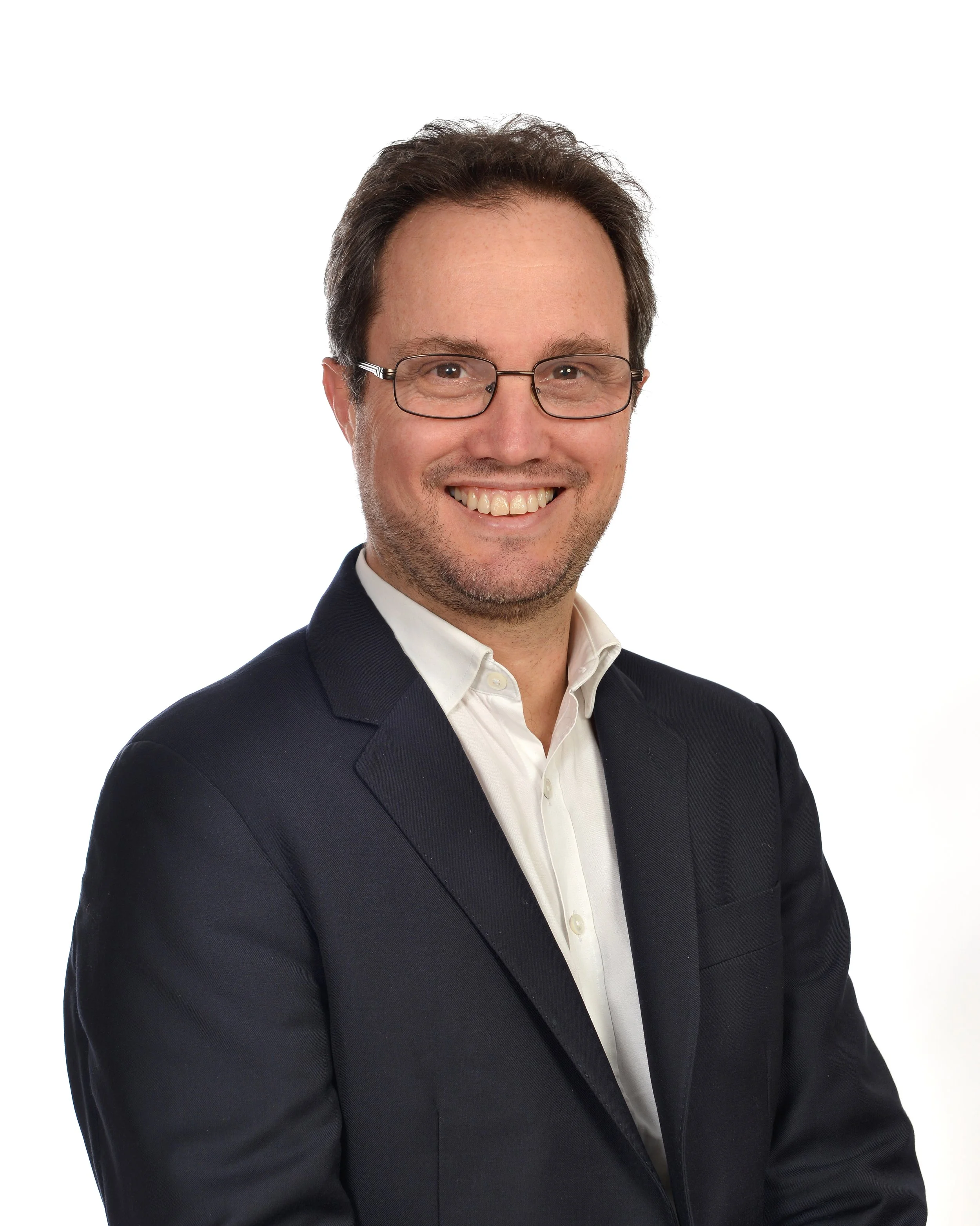
Arnaud Meffre
is a senior humanitarian professional with over 17 years of experience leading complex operations across the Middle East, Africa, Europe and Asia, primarily with the ICRC.
Throughout his career, he has combined operational leadership, strategic repositioning, and high-level negotiation in volatile environments.
He recently transitioned into the French socio-medical and disability sector, applying his experience in organisational transformation and human-centred leadership to a new field focused on inclusion.
His journey illustrates how humanitarian leadership can evolve beyond crisis settings while remaining anchored in impact and responsibility.
Q1: When did you first realize that a professional transition had become necessary?
When I joined the ICRC in 2007, I envisioned spending my entire career there. I became part of an organization I felt deeply connected to and a field I strongly believed in. Although, I eventually left in 2024, I began reflecting on a possible career transition as early as 2017, when my personal life took a different direction.
Making the decision to leave proved to be extremely challenging, as I was not truly ready for it, and I made repeated attempts to reconcile work and personal life despite the inherent uncertainties of a humanitarian career and the growing crisis affecting the sector. My decision only became clear once I acknowledged that my commitment to humanitarian work had come to weigh too heavily on my personal and family priorities. I had become a distant husband and father, working abroad while my family was leading an entirely separate life.
This change represented a major step, and I struggled to define my next path while still in post. I therefore chose to take advantage of a voluntary departure plan, allowing me to return home, regain perspective, and reflect more clearly on my future options.
Q2: What was the most challenging part of this transition beyond the practical or technical aspects?
It took me twelve months to secure a new position; twelve months during which I completed a master’s degree in humanitarian leadership, reflected deeply on my future professional path, and built an extensive professional network.
The first challenge was to determine which sector I would feel legitimate joining back home, which was far from straightforward. With the support of several coaches, I gradually narrowed my focus to three or four possible areas, then refined this further to two, before eventually committing fully to one.
My greatest challenge then became convincing potential employers that my skills were transferable to their organizations; that an exclusively international background did not disqualify me from the French job market; and that a humanitarian career did not imply I would quickly lose interest in a more “conventional” role. Although there were moments of doubt and discouragement, I never truly lost sight of my end goal and, in some way, trusted that I would eventually succeed. The real question was: under what conditions?
Q3: Which skill or experience from your previous chapters turned out to be more valuable than you expected?
One skill I developed through the people I sought to support during my humanitarian career and which proved particularly valuable during my transition, is resilience. Stepping into an uncertain path requires resilience to overcome obstacles, frustrations, and inevitable disappointments.
Secondly, my willingness to embrace new experiences clearly stems from a career spent moving from one context to another, engaging with a wide range of unexpected interlocutors, and continuously adapting to their needs and expectations; an experience that strengthened my capacity to adjust to any situation.
Finally, navigating the job market strongly echoed my experience as a manager in highly complex environments, where my ability to listen, prioritize, analyze situations, and make decisions helped me stay focused and composed throughout the transition.
Not getting traction despite strong experience?
Start with a targeted Application Audit.
Q4: Looking back, was there a period of uncertainty that later proved to be structuring?
Throughout my transition, I encountered an overwhelming number of generous and supportive people. I benefited from genuine encouragement, thoughtful advice, and numerous networking meetings that helped me refine my project and move closer to securing a position. Beyond the job itself, the opportunity to meet so many kind‑hearted professionals—willing to give me their time despite not knowing me beforehand—stands out as the most meaningful takeaway from this experience.
Only one person offered particularly harsh feedback, which briefly destabilized me to the point of questioning all the efforts I had invested over the previous ten months. In a single conversation, this person strongly criticized the résumé I had been developing for months with the support of coaches, and on which a huge part of my job‑search strategy was built. According to them, every single line of my résumé felt disconnected and unclear, and failed to convey my real added value. I had structured it around hard skills, thematic areas, and achievements.
After a few days of uncertainty, I revisited my résumé once again, and rebuilt it using a more neutral, classic, and chronological framework. Coincidence or not, the very next job interview resulted in my recruitment. I had secured the first interview with my previous résumé, and provided the new copy to strengthen the recruitment process afterwards.
Q5: If you were speaking to someone exactly where you were before your transition, what would you tell them?
II would say:
– Take the time to work clearly on your objective and résumé.
– Develop a concise and compelling pitch to explain your project.
– Meet people - again and again - to explore options and perspectives.
– Never allow discouragement to take over.
– And preserve your work–life balance: the job search is only one part of your life, not its entirety.
Ready for your own evolution?
Arnaud’s story highlights that even the most experienced professionals need time, structure, and support to navigate transition.
Clarity does not always come naturally.
It is built—through reflection, exploration, and the courage to reposition oneself.
This interview is part of The Humanitarian Pivot, a special March series exploring the diverse career evolutions of aid workers: from field-to-HQ moves to entrepreneurship. To see the full series clic here
